

What is SEO?
How To Boost SEO
Introduction:
SEO is an important tool for boosting a website’s rankings! This guide will explain what is SEO and how to use it. Give you design and layout tips for your website. Explain why original content matters. As well as some keyword research tips!
What is SEO?
SEO stands for Search Engine Optimisation. It is the crucial process of improving your website to appear higher in search engine rankings. SEO involves several elements such as:
-
Keyword research
-
Informative Content
-
Easy Navigation
-
External and Internal Links
-
Mobile first design
How does SEO work?
SEO helps search engines such as Google understand the content and structure of your website to link it to what users search.
When somebody types a question into Google. For example “what is SEO”. It searches through its algorithm to determine relevant websites to display and in what order. The algorithm searches through your website to determine how relevant your content is, how responsive and easy to navigate it is and how reliable and trustworthy your site is. Once all of this data is analysed, websites are ordered based on relevancy to the user’s search.
Design and Layout
Design and layout play a key role in both user experience and SEO. A clean, well-structured layout helps visitors navigate your site easily, reducing bounce rates and encouraging engagement. Consistent branding, clear headings, intuitive menus, and responsive design all contribute to a professional appearance that builds trust. From an SEO perspective, search engines favour websites that are easy to crawl and provide a seamless experience across all devices. A clutter-free, organised design looks better and helps highlight your content and calls to action more effectively.
Header tags structure content on a webpage to help the user and search engine understand the priority of the information on the page.
Header tags range from H1 to H6, in order of least to most importance.
-
H1 tags should be used for main titles, and include a keyword
-
H2 and H3 tags should be used as subheadings throughout the content
-
H4, H5 and H6 can be used to further break down information on the web page.
Meta descriptions are short summaries of your web page that appear in search engine results.
Meta descriptions should include
-
150 – 160 characters
-
Include Keywords
-
Clearly explain the content of the web page
Why does good content matter?
Good content matters because it helps search engines understand what your website is about, as well as engaging users. When someone types a question into Google, the search engine scans through countless web pages to find the best content that answers the user’s question. This means that creating high-quality and informative content that is tailored to your target audience’s questions is vital for boosting your website’s SEO.
What to include in your content:
-
Up-to-date and accurate information
-
Table of Contents
-
Images and Graphics
-
Information sources
-
Keywords
How to use keywords to boost SEO
Keyword research
It is important to understand the way that your target audience searches to find your website. There are tools such as Google Planner and Google Trends that can help you to find the right keywords. Using keywords that are high volume that also have low competition can help drive traffic to your website.
Once you have identified your keywords, they should be naturally and thoughtfully written into your content. Avoid overusing keywords, as it can make your content harder to read and look less reliable.
Local SEO
If your website serves a local area, local SEO optimisation is essential. Search engines tailor results based on the user’s location.
For example, if somebody in Manchester was searching for plumbers on Google, they might search for “plumbers near me” or “Plumbers in Weston Super Mare”. Google will prioritise the websites offering this service that are most relevant to Weston-super-Mare.
To boost your visibility in local searches, try using local keywords mentioning the services you offer in your location. These can then be spread across the content of your website, such as meta descriptions and headings. Other ways to boost local SEO include:
-
Creating a Google Business Profile
-
Customer reviews
-
External links to local websites
-
Location tagging across linked Social platforms
-
Map Plugins
Mobile and speed optimisation
The bulk of website traffic is often from mobile devices, which means ensuring your website is mobile-friendly is essential for SEO! Google uses a mobile-first approach when ranking websites, meaning that better optimised websites will appear higher in their search results.
Website speed is another crucial factor. Pages that take a long time to load often frustrate users, leading to higher bounce rates and worse search engine rankings. You can improve speed by:
-
Reducing the size of images and files
-
Avoiding unnecessary plugins
-
Using efficient coding practices
Final Thoughts
As you can see the answer to “what is SEO?” isnt a simple explanation. Improving your search engine optimisation is a combination of well-structured content, mobile-friendly design, optimised speed, and thoughtful page layout. Keyword research, quality content, mobile-friendly design and user-friendly websites boost your SEO and rankings on Google.
SEO requires regular updates, monitoring, and adjustments. However, with the right approach, it can be one of the most powerful tools for growing your website traffic and attracting the right audience.
To find out more about our SEO services click here.
We’d love to hear from you
Simply fill out the form below to arrange a free consultation.

The Launch of the Twisted Money League
The Launch of the Twisted Money League We are excited [...]

Teaming Up for a Good Cause: A Day of Charity Golf with PD&CL Building Services Ltd for Weston Hospicecare
At Twisted, we believe in the importance of giving back [...]
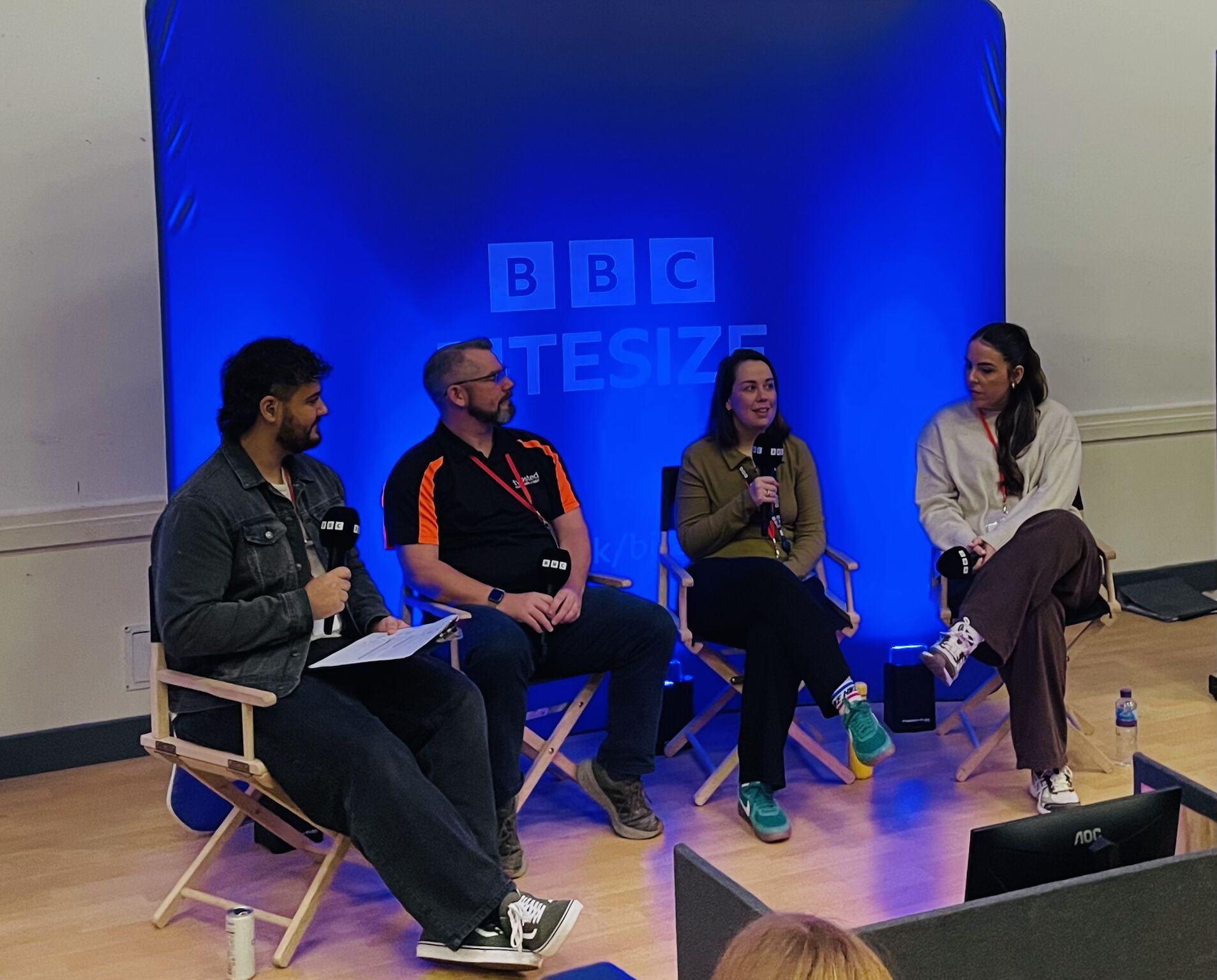
Inspiring Future Talent: Twisted Joins BBC Bitesize Careers Tour
At Twisted – Creative Design With a Twist, we [...]


